



What Is a Keyword? A Practical Guide to Keyword Research for SEO
What Is a Keyword
When people use Google, they expect to find pages that answer their questions or help them solve a problem. For example, someone searching for “corporate website design” may be looking for a web design service, while someone searching for “what is corporate website design” is more likely looking for an explanation.
A keyword is a word or phrase that people enter into a search engine to find information, products, or services. In search engine optimization (SEO), understanding keywords helps us align website content with what people are actually searching for.
However, choosing keywords involves more than finding popular search terms. You need to understand what users want, what type of page best meets their needs, and how your content can provide a useful answer. In this guide, you will learn what keywords are, explore their main types, and discover how to choose and use them effectively for SEO.

What Is a Keyword in SEO?
In SEO, a keyword is a word or phrase that represents the main topic of a page and relates to a user’s search. It can be a single word, such as “SEO,” or a longer phrase, such as “SEO training for beginners.”
For example, if you create a page about e-commerce website design, “e-commerce website design” could be a candidate for its primary keyword. Other searches, such as “e-commerce website design cost” or “e-commerce website features,” may require separate pages because they reflect different user needs.
The important point is that a keyword is not simply a phrase you repeat throughout an article. The goal is to create a clear connection between the page’s topic, the user’s needs, and the information you provide.
Why Are Keywords Important for SEO?
Keyword research helps you make informed decisions about your content before you start writing. A well-planned keyword strategy can help you:
- Understand your audience: Identify the questions, needs, and problems your potential visitors want to address.
- Create targeted content: Focus on specific user needs instead of publishing disconnected articles.
- Choose the right page type: Determine whether a search is better served by an educational article, a service page, or a product page.
- Reduce content overlap: Avoid creating multiple pages that compete to satisfy essentially the same search intent.
- Measure SEO performance: Discover which search queries generate impressions and clicks for your pages.
However, choosing the right keyword does not guarantee high rankings. Content quality, competition, technical SEO, and how well a page satisfies the searcher’s needs also matter.

Types of Keywords in SEO
Keywords can be categorized in different ways. Two useful approaches are to classify them by length and by the user’s search intent.
1. Short-Tail Keywords
Short-tail keywords are generally broad and relatively short. Examples include:
- Website design
- SEO
- WordPress
- Smartphones
These terms may attract a broad audience, but the user’s exact goal is not always clear. Someone searching for “WordPress,” for example, might want tutorials, themes, plugins, or professional website development services.
2. Long-Tail Keywords
Long-tail keywords are more specific phrases that often express a clearer need. Examples include:
- Cost of building an e-commerce website with WordPress
- WordPress SEO tutorial for beginners
- How to improve WordPress website speed
These phrases may attract more targeted visitors, but their search demand and competition should still be evaluated individually. A longer keyword is not automatically easier to rank for.
3. Informational Keywords
Users search for informational keywords when they want to learn something or find an answer to a question.
- What is a keyword?
- How does SEO work?
- What is the difference between hosting and a server?
Educational articles, tutorials, and comprehensive guides are often suitable for these searches.
4. Commercial Investigation Keywords
Commercial investigation keywords indicate that users are comparing options before making a decision.
- Best WordPress SEO plugins
- Custom website development vs. WordPress
- Best website design companies
Comparison articles, service pages, and detailed buying guides may satisfy these searches. However, you should examine the actual search results to determine which page format Google appears to favor.
5. Transactional Keywords
Transactional keywords indicate that users are closer to taking a specific action, such as purchasing a product or ordering a service.
- Hire a corporate website design company
- Buy a WordPress theme
- E-commerce website design pricing
For these searches, a relevant product or service page is often more appropriate than a general educational article.
Primary Keywords vs. Related Keywords
A primary keyword represents the main topic or search intent a page is designed to address. Related keywords cover other aspects of the same subject or closely connected user needs.
Suppose you are writing an article targeting “what is a keyword.” Your keyword plan might look like this:
| Keyword Type | Example | Purpose |
|---|---|---|
| Primary keyword | What is a keyword | Defines the article’s main topic |
| Related keyword | Keywords in SEO | Explains their role in SEO |
| Related keyword | Types of keywords | Covers the main keyword categories |
| Related keyword | How to choose keywords | Provides practical guidance |
| Question-based keyword | How do you find keywords? | Answers a common user question |
You do not need to create a separate article for every related keyword. If several queries share the same intent, one comprehensive page may address them effectively. Separate pages make more sense when the search intent or the type of information required is meaningfully different.
How to Choose the Right Keywords for SEO
Follow these steps to develop a more effective keyword strategy.
Step 1: Define Your Topic and Audience
Before opening an SEO tool, determine who your website serves and what problems your content or services help solve.
For a website development business, potential starting topics might include:
- Corporate website design
- E-commerce website development
- Website development costs
- WordPress SEO
- Website speed optimization
These are starting points for research, not automatically the best keywords for your pages.
Step 2: Discover What People Actually Search For
Use several sources to expand your initial keyword list:
- Google Search: Explore autocomplete suggestions and related searches to discover additional ways people express their needs.
- Google Search Console: If your website has enough search data, review the Performance report to identify queries that already generate impressions and clicks.
- Keyword research tools: Use suitable tools to discover keyword ideas and estimate search volume and competition.
- Competitor pages: Examine pages that rank for your target queries to understand the questions they answer and the formats they use.
No single tool provides a complete and perfectly accurate picture of every search. Treat search volume and keyword difficulty figures as estimates rather than guarantees of traffic or ranking potential.
Step 3: Understand Search Intent
Search intent is the reason behind a user’s search query. Understanding it helps you create the right type of page for the people you want to reach.
Search for your target phrase and examine the leading results. Are they mostly educational articles, service pages, online stores, or comparison guides?
| Search Query | Likely Intent | Suggested Page Type |
|---|---|---|
| What is a keyword? | Learn a concept | Educational article |
| Keyword research tutorial | Learn a process | Step-by-step guide |
| Website design cost | Research pricing | Pricing or service page |
| Hire a website designer | Request a service | Service or inquiry page |
These classifications are starting points. The actual search results should guide your final decision about the most suitable page format.
Step 4: Evaluate Search Volume and Competition
Keywords with high search volume are not necessarily the most valuable choices. Evaluate several factors together:
- Business relevance: Does the query relate to your website, audience, or services?
- Search demand: Is there evidence that people search for this topic?
- Competition: How strong and comprehensive are the pages currently ranking?
- Search intent: Does your planned page match what users expect to find?
- Audience value: Could the query attract relevant visitors who benefit from your content or services?
For a newer website, a specific and relevant query may be a more practical starting point than a broad, highly competitive term. However, this should be validated through keyword research and an examination of the search results.
Step 5: Assign Each Keyword to the Right Page
This is one of the most important parts of keyword research.
Imagine you are researching these queries for a website development business:
- What is website design?
- Corporate website design
- Corporate website design cost
- Hire a corporate website designer
These queries do not necessarily belong on the same page. The first may suit an educational article, the second a service page, the third a pricing page or a dedicated pricing section, and the fourth a page focused on service inquiries.
When multiple pages target essentially the same search intent, they may compete with one another in search results. Before creating a new page, review your existing content to determine whether an existing page should be improved instead.
A Practical Example of Keyword Research
Suppose Mahan Tech plans to publish an article about website speed optimization. The goal is not simply to attract traffic. We want to help people experiencing performance issues and guide them toward useful information or relevant optimization services.
1. Start With a Broad Topic
!Website speed
Imagine a user visiting your website for the first time, only to find that the page takes several seconds to load. As a result, there is a good chance they will leave before even seeing your content and move on to another website. Website speed is more than just a technical feature; it is an essential part of user experience, brand credibility, and business performance.
2. Identify Potential Search Queries
- How to improve WordPress website speed
- Reasons why a website is slow
- Website speed testing tools
- Website speed optimization
3. Decide What the Page Should Achieve
If the search results mainly contain educational guides, a step-by-step tutorial may be the best format. If users are primarily looking for a provider, a service page may be more appropriate.
4. Measure Performance After Publishing
Use Google Search Console to see which queries generate impressions, how many clicks the page receives, and which search terms may offer opportunities for improvement.
This is an illustrative example, not the result of a real keyword research experiment. In practice, your final choice should be based on search data, competitor analysis, and the existing structure of your website.
Where Should You Use Keywords in an Article?
Once you have chosen a suitable keyword, incorporate it naturally into the relevant parts of your page:
- SEO title: Clearly communicate the page’s main topic.
- H1 heading: Tell readers what the article covers.
- Introduction: Address the main question early in the article.
- Subheadings: Use relevant phrases where they accurately describe a section.
- Main content: Explain the topic thoroughly without repeatedly forcing the exact keyword into the text.
- URL slug: Use a short, descriptive URL when practical.
- Image alt text: Describe the image accurately and include a keyword only when it genuinely fits the image.
- Internal links: Link to relevant pages on your website using clear, descriptive anchor text.
Natural language and relevant terminology help readers understand the topic. Repeating a keyword unnaturally or stuffing a page with search terms is not a substitute for useful content.
Common Keyword Research Mistakes

Choosing Keywords Based Only on Search Volume
A keyword may attract many searches but bring visitors who have little connection to your website’s purpose. Evaluate relevance and search intent alongside search volume.
Targeting Too Many Unrelated Topics on One Page
A page that attempts to address several unrelated needs may fail to satisfy any of them properly. Identify the main user need and cover separate topics on appropriate pages.
Repeating the Same Keyword Too Often
You do not need to repeat the exact phrase in every paragraph. Write naturally and make sure each section answers a relevant question or contributes useful information.
Creating a New Article Without Reviewing Existing Content
Before publishing, check whether your website already has a page targeting the same intent. Updating or expanding that page may be more effective than creating another page with substantially similar content.
Expecting a Top Ranking Just by Following Yoast Recommendations
Yoast SEO can help you review certain optimization elements, but a green indicator does not guarantee a high Google ranking. Search relevance, content quality, page experience, and competition also matter.
How to Measure Whether Your Keyword Strategy Is Working
After publishing your article, review its performance in Google Search Console. Filter the Performance report by the relevant page and examine these metrics:
- Impressions: Which search queries cause the page to appear in Google results?
- Clicks: How many people visit the page from search results?
- Click-through rate (CTR): What proportion of impressions result in clicks?
- Average position: What is the page’s average reported position in search results?
Avoid drawing conclusions from short-term fluctuations alone. Compare suitable time periods and evaluate whether changes to the title, meta description, or content improve performance. Rankings and impressions can vary by query, device, location, and time.
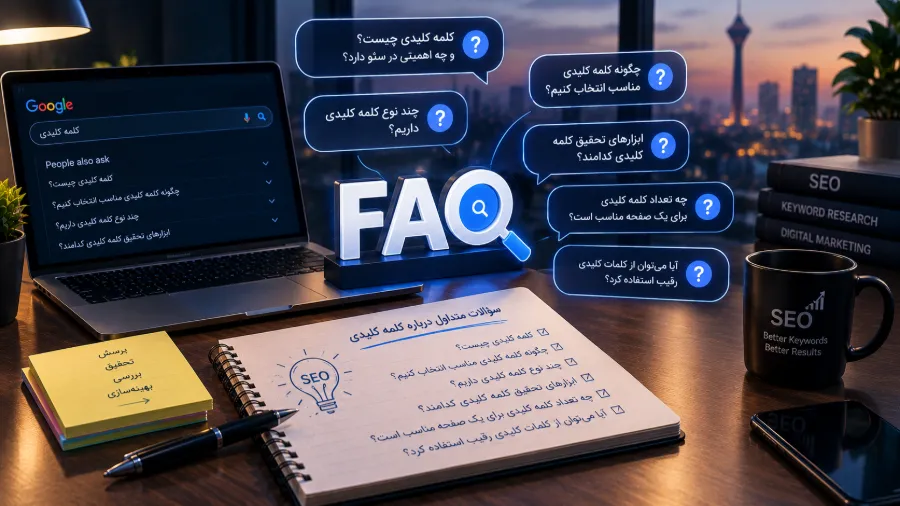
Frequently Asked Questions About Keywords

Should Every Article Target Only One Keyword?
Every article should have a clear primary topic and search intent, but it can also address several closely related queries. Relevance and completeness matter more than targeting an arbitrary number of keywords.
Are Long-Tail Keywords Always Easier to Rank For?
No. Long-tail keywords may express more specific needs, but competition and the quality of existing search results still influence ranking opportunities.
Should You Create a Separate Page for Every Keyword?
No. When several queries share the same intent, a comprehensive page can often address them together. Create separate pages when the user needs or the type of information required is meaningfully different.
What Is the Best Tool for Keyword Research?
There is no single tool that is best for every situation. Google Search suggestions, Search Console, and dedicated keyword research tools can provide complementary insights. Combine their data with an understanding of your audience and your website’s goals.
Does Repeating a Keyword More Often Improve Rankings?
No. Unnatural repetition can make content harder to read. Use your primary keyword where it fits and focus on creating content that genuinely answers the user’s question.

Conclusion
Keywords are a starting point for SEO content planning, but choosing the right one involves more than finding a popular search term. You need to understand the user’s intent, assess the competition, select the appropriate page format, and measure performance using real search data.
When you define what your audience needs and why your page deserves to be chosen over competing results before you start writing, you create a stronger foundation for sustainable organic growth.
To explore these principles further, discover related Mahan Tech articles on SEO, website development, and user experience optimization.For more SEO insights, be sure to read our article What Is SEO?